Bass Isolator

How to isolate the bass in three steps
Load the track
Upload a local audio file or choose a song from your library. A clean, full-range source isolates better than a low-bitrate rip that already lost some of the low end.
Pick a model that can isolate bass
Pulling out one instrument is a finer split, so reach for Echo Advance or Echo Pro. Echo Basic is the free way to try the tool, and a deeper tier is what cleanly lifts the bass.
Split, then check on real speakers
Run the Split and both come back, the isolated bass and the bassless track. Listen on headphones or monitors, and if the kick bled in, run it again a tier up.
Take the bass out and take its place
The same split hands back the track with the bass gone. That opening at the bottom of the mix is where you step in, playing the part live or writing a new low end under the song. Bassists use it to play along to a real arrangement instead of a backing app. Producers use it to redo the low end, dropping a fresh sub or a re-amped line under the untouched drums and chords. One upload, both sides, opposite jobs.
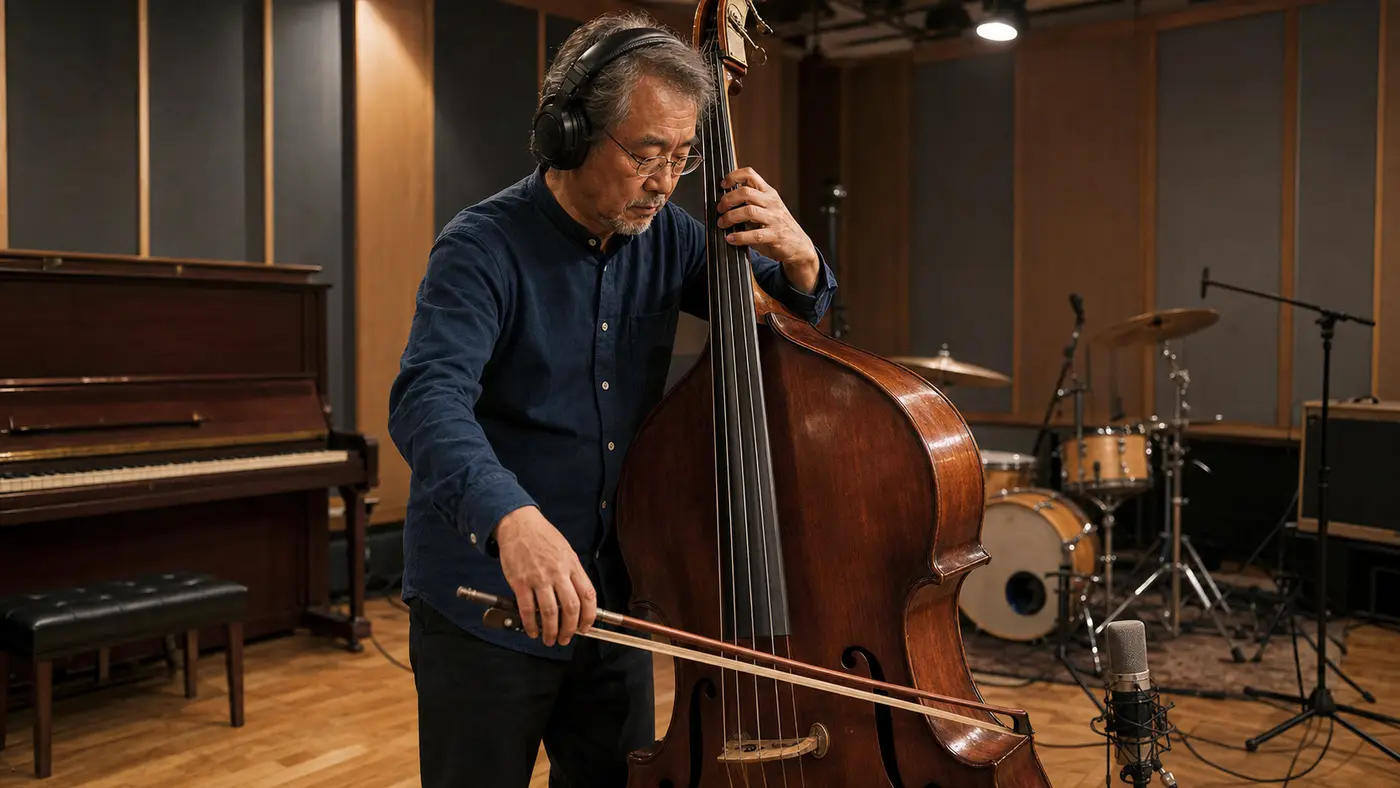
Finally hear the line you only felt
Bass is the part you feel in your chest and lose in your ears. It sits low, hides under the kick, and blurs into the rest of the mix, which is why working out a bassline by ear is mostly guessing. Pull it out and the line comes back on its own, clear enough to hear every note and slide. That clarity is the whole point. A bassline you can actually hear is one you can learn, transcribe, or check, instead of squinting at a waveform and hoping you caught the right root.
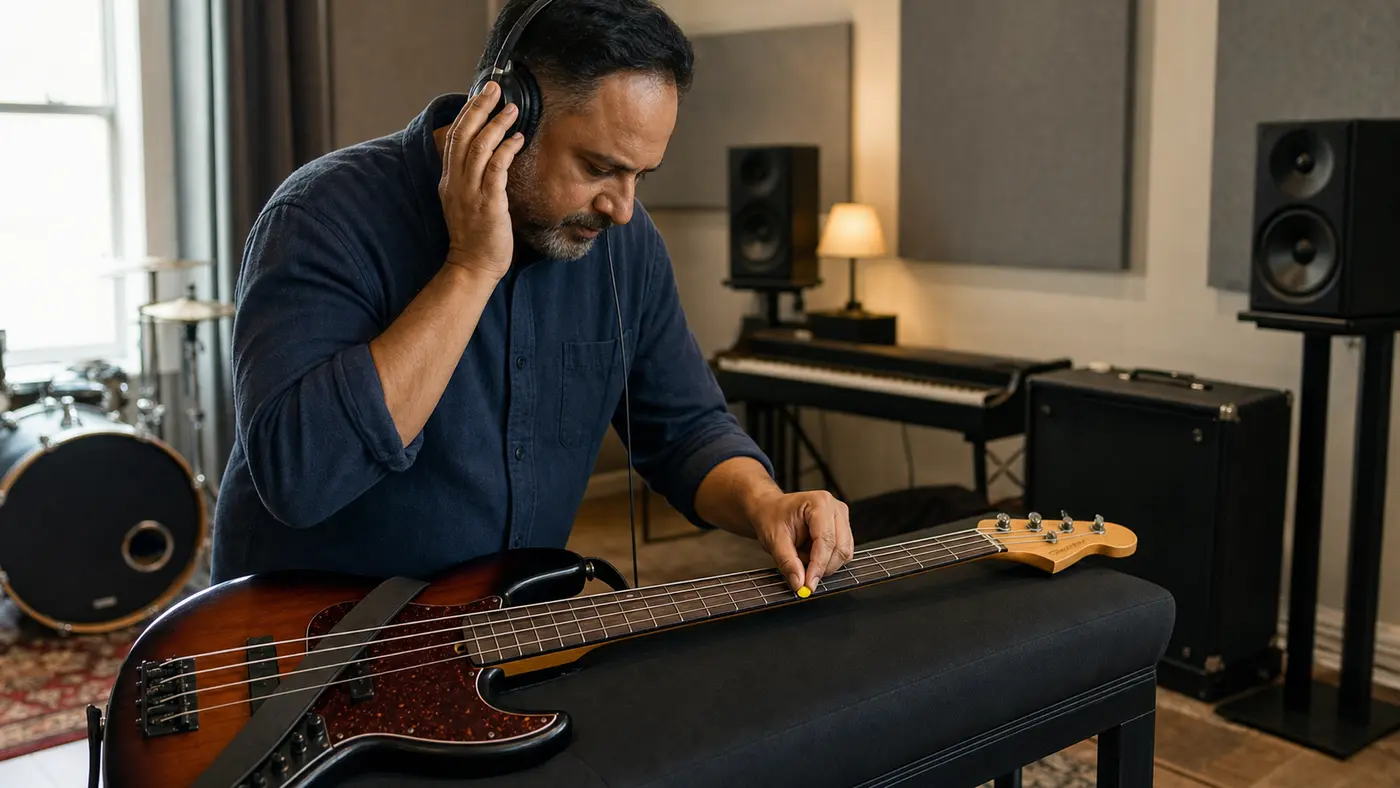
Why isolate your bass here
A bass isolator that makes the buried line audible, hands you the bassless side too, and is honest about the low end.
The buried line, made audible
Bass is the part a mix hides best. Isolating it turns a felt rumble into a line you can hear note by note, which is the whole reason to pull it out.
Built for learning a bassline
The isolated track shows the walk-ups, ghost notes, and roots the guitars usually cover. Far easier to learn from than slowing down a muddy full mix and guessing.
The bassless side too
The same run gives you the track with the bass gone, so a bassist can play the real arrangement live or a producer can drop in a new low end.
It untangles bass from kick
The two share the low frequencies, so a higher Echo model pulls them apart. You spend a tier only on the tight, bass-heavy mixes that actually need it.
Honest about the low end
Sub-bass barely plays on laptop speakers, so the advice to check on monitors is stated up front rather than letting a bad listen fool you into a rerun.
Try the tool, step up for the line
Echo Basic lets you run the tool for free, and the higher tiers are where a single isolated instrument like the bass comes out clean.
Full Toolkit
Around the low end
The bass is one piece of the rhythm section. The rest of SunoPrompt covers the other parts and the new low end you build.
AI Stem Splitter
Want the drums and the other parts too, beyond the bass alone? The AI Stem Splitter opens the whole track into separate layers instead of the one you came for.
Drum Extractor
The other half of the rhythm section. Pull the drums to study how the bass and the kick lock together, or to rebuild the groove under a new low end.
AI Music Generator
Redoing the low end? Generate a fresh bassline or full backing from a description to sit under the bassless track, or new parts to pair with the line you pulled.

Explore more
Who isolates the bass
Bassists and students
Hear a bassline clearly enough to learn it note for note
Catch the ghost notes and slides a full mix hides
Play along to a bassless track instead of a metronome
What the Bass Isolator does
The Bass Isolator separates the bass from a song you bring, returning the isolated bassline to hear and learn and the bassless track to play over, both from one split.
Bass is felt more than heard
The bassline is the low anchor a song is built on, and it is also the part a full mix hides best. It sits under everything and shares its range with the kick, so the ear registers it as feel rather than notes. Isolating it flips that, turning a line you sense into one you can actually listen to.
Hearing the line you can learn
For a bassist, the value is plain: the isolated track is far easier to learn from than the full song. Hear the walk-ups, the ghost notes, and the exact root under each chord without the guitars burying them. It beats slowing down a muddy mix and guessing whether that was a slide or two separate notes.
Or pull the bass out to play it yourself
The other output is the track with the bass removed. A bassist plays the real arrangement live, hearing how the part locks with the drums instead of practicing to a click. A producer redoes the low end, swapping a loose original for a tight new sub while the rest of the song stays put.
Kick and bass share a room
Here is the honest catch. Bass and kick both live in the low frequencies and overlap constantly, so a bit of kick thump can survive in the bass stem. It is the bass-specific version of bleed. A higher Echo model pulls them further apart, which is exactly why dense, punchy mixes are the ones worth a deeper tier.
Judge it on real speakers
One thing to know before you decide the split failed: laptop and phone speakers cannot reproduce sub-bass, so an isolated bass can sound thin on them even when it is clean. Check on headphones or monitors. Most of a bassline lives below what small speakers can play, and judging it on those is judging half the signal.
How it differs from other extractors
It surfaces the hardest part to hear. Bass hides low and under the kick, and this makes the line clear instead of a felt rumble.
One split, two outputs. You get the isolated bassline to learn and the bassless track to play over, not a single result.
It fights kick bleed, the bass-specific artifact. Higher Echo tiers pull bass and kick apart where they share the low end.
It tells you to check on monitors. Sub-bass is felt more than heard, so the honest advice is built in rather than left to a bad laptop listen.
It is the bass-focused cut of the full stem split. When you want every part, the AI Stem Splitter opens the whole mix.