Piano Isolator

How to isolate the piano in three steps
Load the track
Upload a local audio file or choose a song from your library. A clean source separates the keys better than a low-bitrate rip where the harmony is already smeared.
Pick a model that can isolate piano
Piano is the hardest single instrument to lift, so reach for Echo Advance or Echo Pro. Echo Basic is the free way to try the tool, and a deeper tier is what cleanly separates the keys.
Split and take the side you need
Run the Split and both come back, the isolated piano and the piano-less track. Listen for bleed at the top and bottom, and if a dense mix left some in, run it a tier up.
Take the piano out and play it your way
The same split hands back the track with the piano gone. That opening in the harmony is yours, to replay the part with your own touch, revoice the chords, or write something new over the changes. Pianists use it to practice against the real arrangement instead of a click. Songwriters use it to keep a progression they like while dropping fresh keys on top. Producers swap a stock piano for a better one while the drums, bass, and vocal stay put. One upload, both sides, opposite jobs.
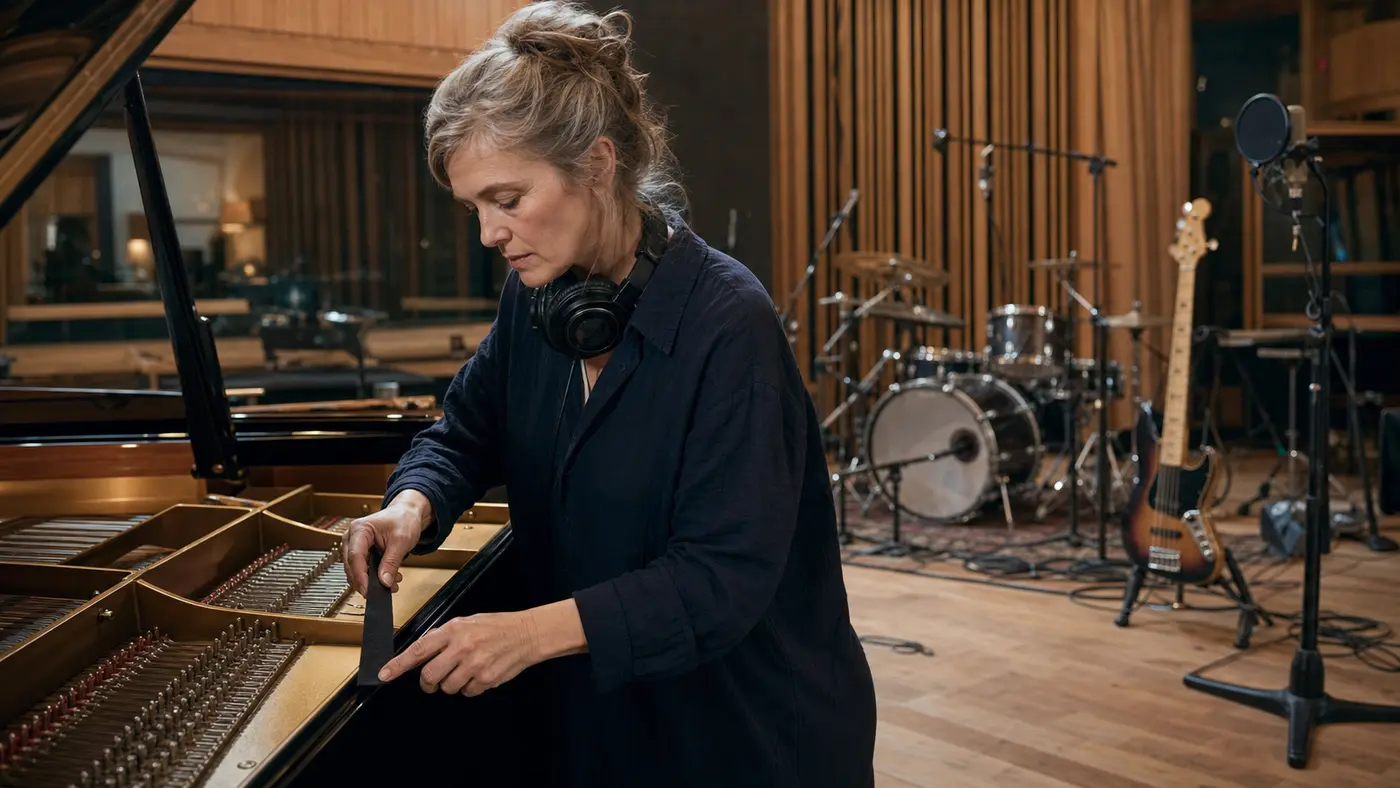
Hear the harmony the song hangs on
The piano is where the harmony lives, the chords the whole song is built on and the voicings that give it its color. In a full mix it hides under the vocal, so working out the changes by ear means guessing at half the notes. Lift it out and the progression shows itself, both hands and all. That is the value here. A piano part you can actually hear is one you can read the chords from, catch the inversions in, and follow through a key change, instead of pausing on every bar and hoping you caught the right voicing.
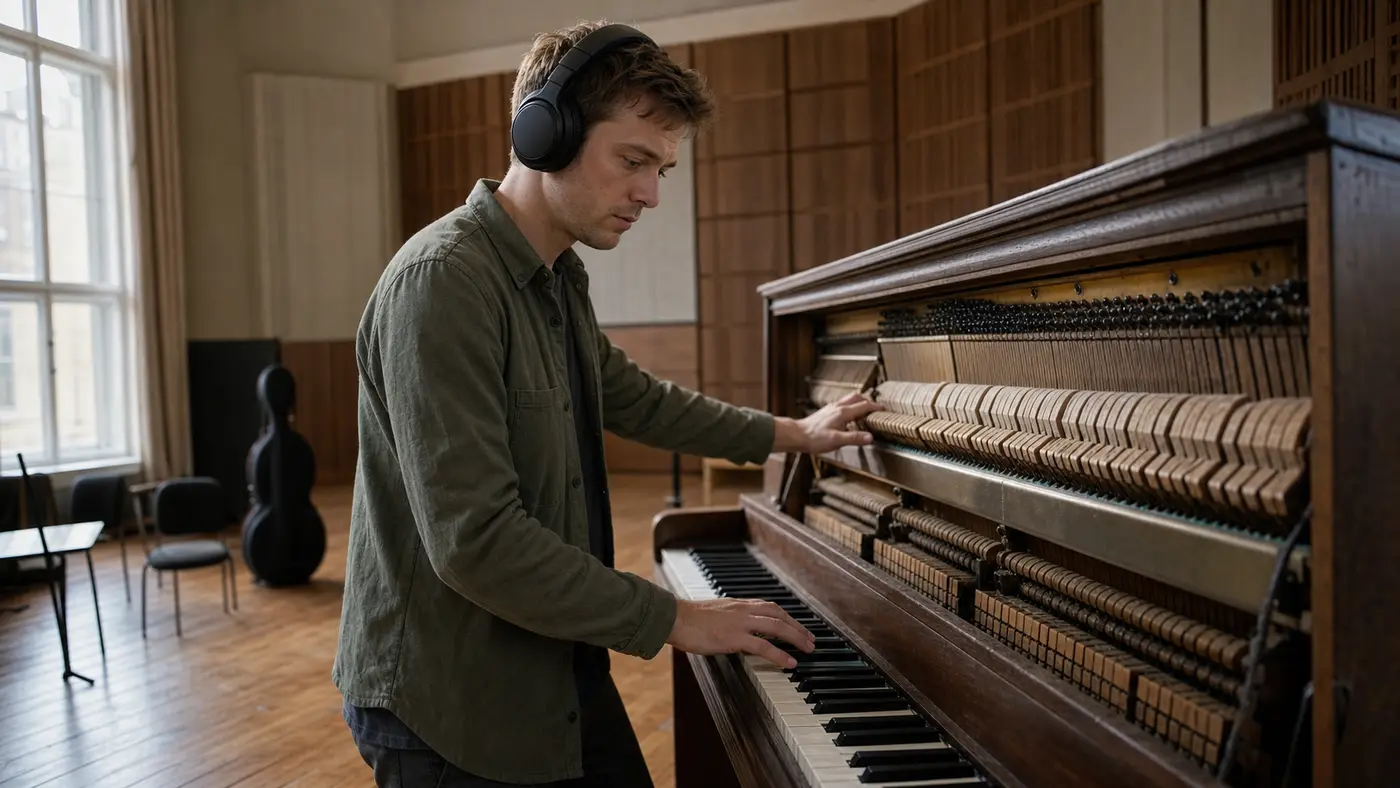
Why isolate your piano here
A piano isolator that surfaces the harmony, hands you the piano-less side too, and is honest about the hardest instrument to lift.
The harmony, in the clear
With the piano out front the chords and changes stop hiding under the vocal. You read the progression by hearing it, instead of pausing every bar and guessing at the voicing.
Built for learning both hands
Progressions, inversions, and what the left hand plays under the right are the whole reason to isolate a piano, so the clarity is aimed there rather than at a single melody line.
The piano-less side too
The same run gives you the track with the piano gone, so you can replay the part, revoice the chords, or write new keys over a progression you want to keep.
It takes on the hardest part to lift
Piano spans the full keyboard and overlaps everything, so a higher Echo model does real work here. You spend a tier where it counts most, on the trickiest instrument to separate.
Honest about the keys
Other keyboards can ride along and pedal sustain can ring, so that is stated up front. You know to expect the keys as a group on some songs rather than a spotless grand piano.
Try the tool, step up for the part
Echo Basic lets you run the tool for free, and the higher tiers are where a single isolated instrument like the piano comes out clean.
Full Toolkit
Around the keys
The piano is one layer of the harmony. The rest of SunoPrompt covers the full teardown, the other chordal instrument, and the parts you build.
AI Stem Splitter
Want the drums, bass, and the rest too, beyond the piano alone? The AI Stem Splitter opens the whole track into separate layers instead of the one you came for.
Guitar Isolator
The other main chordal instrument. When the harmony you want lives on guitar rather than keys, the Guitar Isolator lifts the riffs and voicings out the same way.
AI Music Generator
Reworking the harmony? Generate a fresh piano part or full backing from a description to sit around the keys you kept, or under the piano-less track.
Explore more
Who isolates the piano
Pianists and students
Hear both hands clearly enough to learn the part
Tell an inversion from a root-position chord by ear
Play the piano-less track back to check your take against the band
What the Piano Isolator does
The Piano Isolator separates the piano from a song you bring, returning the isolated piano to read the chords and voicings from and the piano-less track to play over, both from one split.
Piano is the harmony of the song
Where the bass gives you the root and the drums the pulse, the piano gives you the chords, the harmonic map the rest of the track is arranged around. It plays both hands across the full range, so lifting it out is how you get the actual progression rather than a single line. That harmony is the reason most people isolate it.
Read the chords and the voicings
This is the payoff. With the piano out front you can hear the progression bar by bar, tell a root-position chord from an inversion, and follow what the left hand is doing under the right. It beats slowing a full mix to a crawl and guessing whether that lush sound was three notes or five.
Or pull the piano to play it yourself
The other output is the track with the piano removed. A pianist practices against the real band instead of a metronome, or replays the part with their own feel in the empty slot. A songwriter keeps a progression and writes new keys over it, and a producer swaps a stock piano while the rest of the song stays untouched.
It covers the whole keyboard, so it bleeds wide
Here is the honest catch. Piano stretches from below the bass to above the vocal, so it overlaps more parts than any other single instrument, which makes it the hardest to isolate cleanly. Pedal sustain adds to it, ringing note tails into each other. A higher Echo model handles that spread, so dense songs are the ones worth a deeper tier.
A deeper tier, and expect the keys as a group
Isolating one instrument is finer work than a vocal cut, so it leans on the higher Echo models, with Echo Basic there to try the tool for free. One more thing to expect: a Rhodes, organ, or synth pad sits near a piano and can land in the same track, so on some songs you get the keys together rather than a grand alone.
How it differs from other extractors
It surfaces the harmony, the chord map the whole song is arranged around, rather than a single line like the bass or a riff like the guitar.
One split, two outputs. You get the isolated piano to read the chords from and the piano-less track to play over, not a single result.
It takes on the widest-spread instrument. Piano runs the full keyboard and overlaps everything, so higher Echo tiers matter more here than on any other single part.
It is the piano-focused cut of the full stem split. When you want every part on its own, the AI Stem Splitter opens the whole mix.