AI Gospel Song Generator
Loading...
Hur man skapar gospelmusik med AI
Namnge tillfället och välj en stil
Fyll i vem sången är till och när den skulle höras. Välj sedan en gospelunderstil. 'Traditionell gospelkör' ger dig orgel och fulla harmonier. 'Modern lovsång' ger dig något lättare och mer akustiskt.
Skriv ditt vittnesbörd
I det långa fältet, säg vad sången behöver förmedla. Ett minne, ett tack, en kamp du övervann. Oroa dig inte för rim eller struktur. Skriv det som du skulle säga det, och AI:n formar det till text.
Generera och känn uppbyggnaden
Tryck på Generera. Lyssna efter ögonblicket då sången lyfter. Om uppbyggnaden känns för tidig eller för tyst, justera din stil-tagg eller lägg till 'stor final, full kör' i stämningsfältet. Spara versioner som berör dig.
Hur AI:n hanterar gospels signatur-sånglager
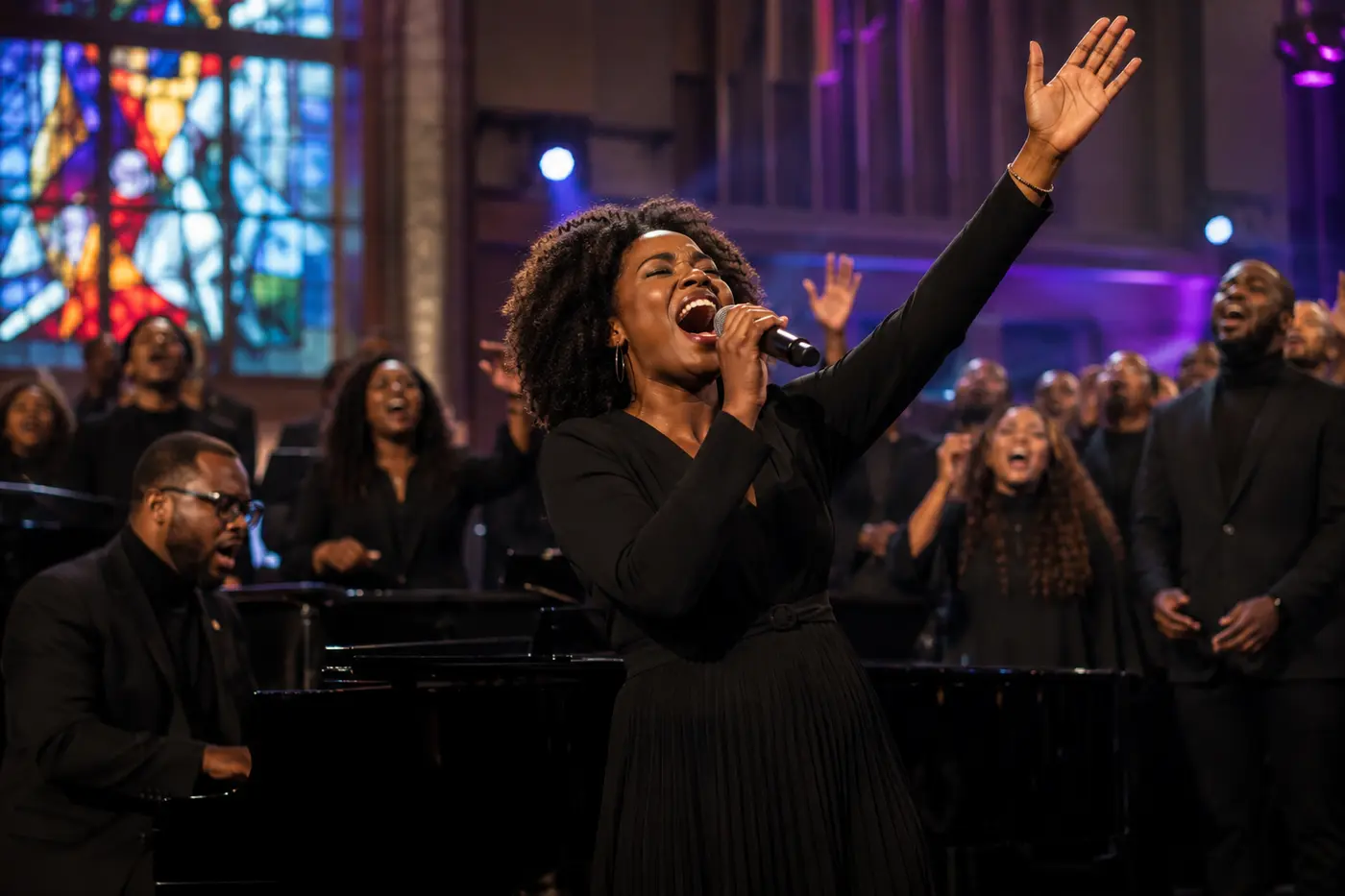
Gospel utan kör är en annan genre. AI:n vet detta. Leadsången bär vittnesbördet. Bakom den svarar, ekar och lyfter harmoniserade röster nyckelfraser. Detta anrops-och-svar-mönster är gospels strukturella ryggrad, och AI:n bygger in det i arrangemanget automatiskt. Körsektionerna staplar sånglager högre. Verserna drar sig tillbaka för att låta leaden andas. Instrumentellt standardiserar AI:n gospel-staplar: piano med de där rullande löpningarna mellan ackorden, orgel-pads som sväller under sången, en rytmsektion som håller sig ur vägen tills sången behöver röra sig. Om du skriver 'Hammondorgel, traditionell' blir tangenterna råare. Om du skriver 'akustisk lovsång, modern' blir pianot renare och en gitarr dyker upp. Uppbyggnaden är det som betyder mest. Gospel-låtar förtjänar sin klimax genom att börja lågt och låta övertygelsen dra energin uppåt. AI:n taktar den bågen.
Dela vad du tror på, AI:n ger det en kör
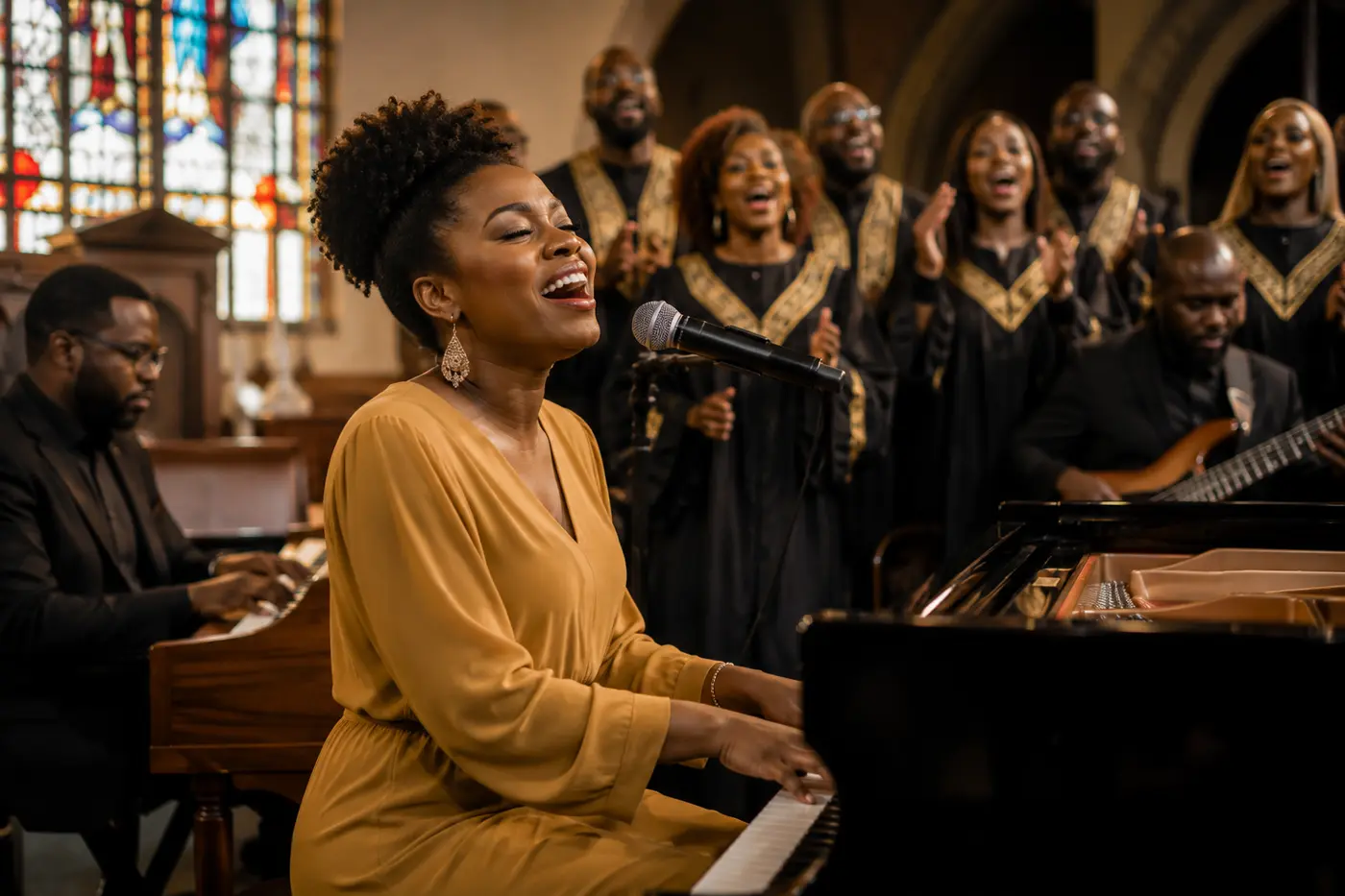
Gospel-låtar börjar inte med en melodi. De börjar med något någon behöver säga. De tre korta fälten sätter ramen: vem sången är till, tillfället (en söndagsgudstjänst, en begravning, ett personligt ögonblick av tacksamhet), och en stil-tagg. Stil-taggen är viktig eftersom 'traditionell gospel' och 'modern lovsång' ger mycket olika musikaliska bakgrunder. Men det långa fältet är där denna generator skiljer sig från alla andra sidor på SunoPrompt. Du beskriver inte ett beat eller en atmosfär. Du delar ett vittnesbörd. Skriv vad som hände. Skriv vad du är tacksam för. Skriv det du skulle säga högt om du hade modet och ett rum fullt av människor som backade upp dig. AI:n tar den ärligheten och bygger en sång runt den. Ju mer specifik och personlig din text är, desto mindre låter resultatet som en mall.
Varför skapa gospel-låtar med SunoPrompt
Gospelproduktion innebär normalt en kör, ett band, en studio och en låtskrivare som förstår traditionen. Detta ger dig sången i dina händer.
Vittnesbörd först, musik sedan
Du skriver vad som hände dig eller vad du tror på. AI:n hanterar melodi, harmoni och arrangemang. Denna ordning matchar hur gospel-låtar faktiskt föds: budskapet kommer först, musiken tjänar det. Du behöver inte tänka på tonarter eller ackordföljder.
Körkänsla från en enda prompt
Att samla en kör är dyrt och komplicerat. AI:n genererar lager av sångharmonier som låter som en grupp som sjunger i samförstånd. Anrops-och-svar-mönster, staplade harmonier i refrängen, unisont passager på nyckelfraser. Kören är inbyggd i resultatet, inte tillagd efteråt.
Gospel-specifik instrumentation
Pianot spelar gospelpiano, med löpningarna och den rytmiska vänsterhanden. Orgeln låter som en Hammond genom en Leslie-högtalare, inte ett generiskt keyboard-ljud. Dessa instrument-klanger är en del av genrens identitet, och AI:n standardiserar dem när du väljer en gospelstil.
Uppbyggnaden förtjänar sin klimax
Gospel-låtar som börjar stort har ingenstans att ta vägen. AI:n förstår detta. Den börjar med utrymme, lägger till lager, låter kören komma in gradvis och sparar full-ensemble-toppen till det ögonblick den har störst effekt. Den känslomässiga bågen känns förtjänad eftersom takten följer gospelkonventionen.
Personlig nog för verkliga tillfällen
Eftersom berättelsefältet tar dina faktiska ord, bär resultatet din specifika erfarenhet. En begravningslåt som nämner personens namn och ett delat minne. En dop-låt som refererar till dagen. En tacksamhetslåt som nämner vad du är tacksam för. Specificiteten gör den användbar för faktiska sammankomster, inte generisk bakgrund.
Fullständig verktygslåda
Gospelsången är vittnesbördet, här är resten
AI Gospel Song Generator hanterar själva sången. SunoPrompts andra verktyg täcker allt runt omkring. Skriv texter separat, generera musik i andra genrer, eller isolera sång-stammarna för repetition.
AI Music Generator
När tillfället kräver något utanför gospel. En fest kan behöva ett popspår bredvid en lovsång. Huvudgeneratorn hanterar alla andra genrer med samma formulärlayout och historiksystem.
Lyrics Generator
Skriv gospeltexter utifrån ett tema eller en skriftreferens. Om ditt vittnesbörd är tydligt men orden inte formas, kan Lyrics Generator utarbeta verser som matchar ditt budskap. Ge den samma stämning som du skulle använda för sånggeneratorn.
Vocal Remover & Stem Splitter
Extrahera leadsången från ett genererat gospelspår för att använda som karaoke-bakgrund för din egen sång. Eller isolera körlagret för att höra harmonierna separat. Användbart för repetition eller för att lära sig hur delarna passar ihop.
Utforska fler AI-musikverktyg
Vem skapar gospelmusik med detta
Lovsångsledare och kyrkomusiker
Generera originella lovsånger anpassade till specifika predikoteman eller gudstjänstmoment
Skapa inledande lovsång, offergåva och altarkall-musik som matchar den känslomässiga flödet i din gudstjänst
Producera nytt material för din församling utan att vänta på en låtskrivare eller licensiera befintliga psalmer
Vad är en AI-gospelgenererare?
En AI Gospel Song Generator skapar kompletta gospelspår från ditt personliga vittnesbörd eller budskap om tro. Du beskriver vad du vill att sången ska säga, väljer en gospelstil, och AI:n producerar ett komplett arrangemang med leadsång, körharmonier och gospelinstrumentation. Ingen kör att rekrytera, ingen studio att boka, ingen låtskrivarerfarenhet behövs.
Varför vittnesbörd skiljer gospel från alla andra genrer här
Poplåtar berättar historier. Rocklåtar kanaliserar energi. Gospel-låtar vittnar. Skillnaden är att sångaren inte uppträder för en publik. De talar till något större, och publiken råkar vara i rummet. Detta förändrar vad berättelsefältet kräver av dig. I andra generatorer skulle du beskriva en scen eller en stämning. Här delar du en övertygelse. 'Jag var vilse och nu ser jag vägen' ger en annan sorts sång än 'beskriv en resa.' AI:n fångar upp uppriktighet i fraseringen och bygger texter som låter deklarerade, inte berättade.
Traditionell, modern och Southern: tre olika kyrkor
Skriv 'traditionell gospel' och du får Hammondorgel, en full kör och en rytmisk drivkraft som kommer från pianots vänstra hand. Sången är stor. Harmonierna är täta. Skriv 'modern lovsång' och allt mjuknar: akustisk gitarr eller ren elpiano, ett mindre sångarrangemang, texter projicerade på en skärm istället för sjungna ur en psalmbok. Skriv 'Southern gospel' och harmonierna blir tätare i kvartettstil, instrumenteringen lutar åt country, och berättandet blir mer narrativt. Dessa är tre distinkta musiktraditioner. Stil-taggen väljer vilken av dem AI:n drar från.
Rösten väger tyngre här
I de flesta genrer på SunoPrompt är rösten ett element bland många. I gospel är rösten SÅNGEN. Röstkönsväljaren väljer leadsångens ton, och det valet formar allt. En kvinnlig lead i traditionell gospel tenderar mot en kraftfull alt eller sopran med löpningar och melisma. En manlig lead lutar mot en varm baryton med grus på de hållna tonerna. Kören anpassar sig efter vilken lead du väljer. Om du vill ha en specifik sångkvalitet, skriv det: 'stark alt-lead, kör som svarar på varje rad' eller 'mjuk tenor, byggs långsamt upp till full röst.'
Pianolöpningar, orgelsvällningar och varför tangenterna definierar gospel
Gospelinstrumentation kretsar kring tangenterna. Pianot ackompanjerar inte ackord som i pop. Det löper. Mellan varje sångfras fyller pianisten med stigande eller fallande fyllningar som kopplar ihop en rad med nästa. Orgeln ligger under och håller ackord som skiftar långsamt medan allt annat rör sig. AI:n återger båda rollerna. Skriv 'gospelpiano, mycket löpningar' och pianot blir mer aktivt. Skriv 'orgelledd, hållande' och Hammond tar över medan pianot backar. Trummor och bas finns där men är stödjande. De driver rytmen framåt utan att konkurrera med rösten.
Uppbyggnaden: gospels version av klimax
Varje genre har ett toppögonblick. EDM har droppet. Rock har den sista refrängen på full volym. Gospel har uppbyggnaden, och den fungerar annorlunda. Den slår inte plötsligt till. Den ackumuleras. Versen börjar med en leadsång och sparsamt ackompanjemang. Förrefrängen lägger till kören unisont. Refrängen öppnar upp med fulla harmonier. Ett vamp-avsnitt upprepar en fras medan intensiteten fortsätter att klättra, kören blir högre, orgeln sväller och trummisen går från hi-hat till öppen ride. AI:n taktar denna båge baserat på din stil-tagg och stämning. Om du skriver 'börja tyst, sluta överväldigande', tar uppbyggnaden hela spårets längd. Om du skriver 'hög energi från start', hoppar AI:n över den långsamma uppvärmningen.
Hur detta skiljer sig från ett standard AI-musikverktyg
Standard AI-musikverktyg behandlar sång som ett melodiskt lager. Gospel-sång bär övertygelse, dynamiskt omfång från en viskad vers till en fulltonig refräng, och en körtextur bakom lead. AI:n genererar med dessa sångkarakteristika som standard för gospelstilar, inte som efterproduktions-effekter.
De flesta generatorer producerar ett sångspår. Gospel behöver minst två: en lead och ett körsvar. AI:n genererar lager av sångarrangemang med inbyggd anrops-och-svar-struktur, så att resultatet låter som en grupp som sjunger tillsammans snarare än en röst med reverb.
Ett generiskt verktyg strukturerar låtar som vers-refräng-vers. Gospel-låtar inkluderar ofta en vamp, en upprepad fras som bygger i intensitet när kören och instrumenten läggs till. AI:n inkluderar vamp-avsnitt när gospelstilen och stämningsbeskrivningen kräver det.
Andra verktyg standardiserar ren, kontrollerad sångleverans. Gospel-sång böjer toner, lägger till melisma, pressar in råare toner vid känslomässiga toppar. AI:n genererar sångframträdanden med dessa stilistiska karakteristika när du väljer en gospelundergenre.